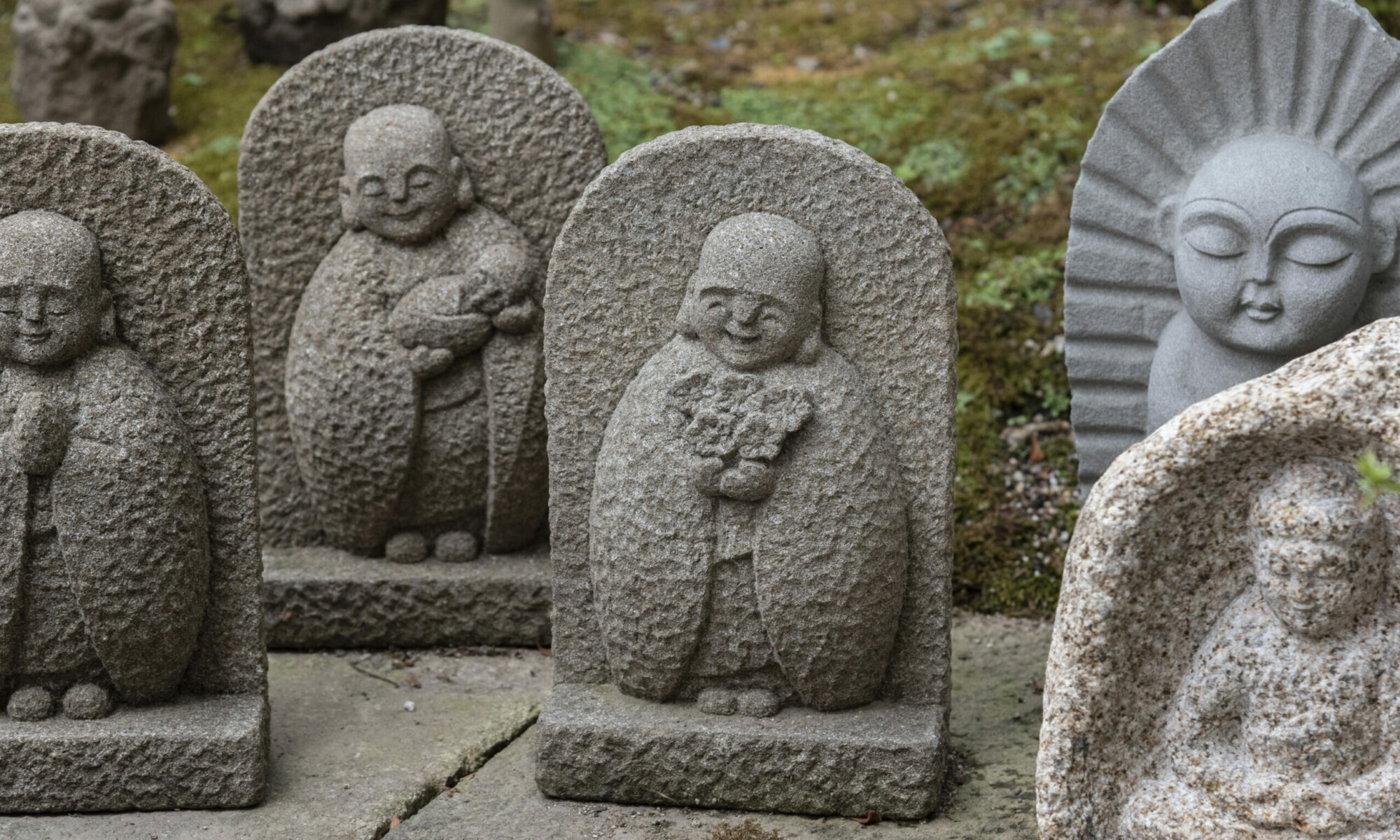
昔から日本では、幸せや健康、繁栄への願いを込めて、さまざまな縁起物が親しまれてきました。
縁起物とは、良い運気や幸せを願って飾られるもののこと。
見た目の愛らしさだけでなく、それぞれに込められた意味や由来を知ることで、より特別な存在になります。
今回は、ISHIMOで取り扱っている縁起物の中から「だるま」「カエル」「招き猫」「七福神」の4つをご紹介します。
それぞれに込められた意味や由来を知りながら、お気に入りの一品を見つけてみてください。
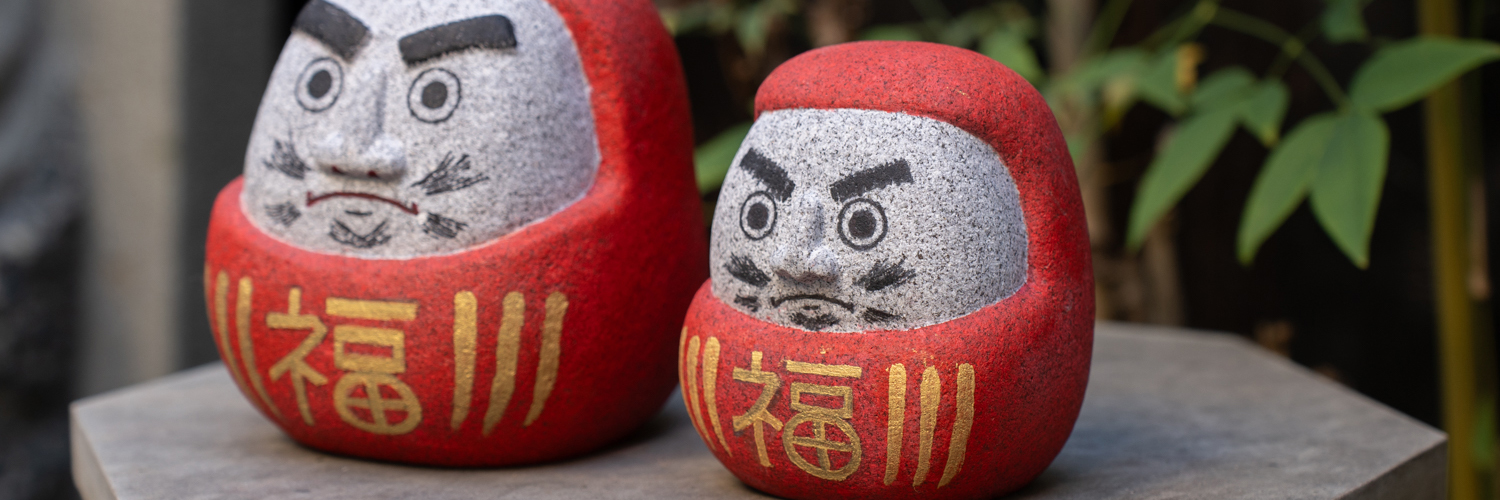
昔から日本では、幸せや健康、繁栄への願いを込めて、さまざまな縁起物が親しまれてきました。
縁起物とは、良い運気や幸せを願って飾られるもののこと。
見た目の愛らしさだけでなく、それぞれに込められた意味や由来を知ることで、より特別な存在になります。
今回は、ISHIMOで取り扱っている縁起物の中から「だるま」「カエル」「招き猫」「七福神」の4つをご紹介します。
それぞれに込められた意味や由来を知りながら、お気に入りの一品を見つけてみてください。
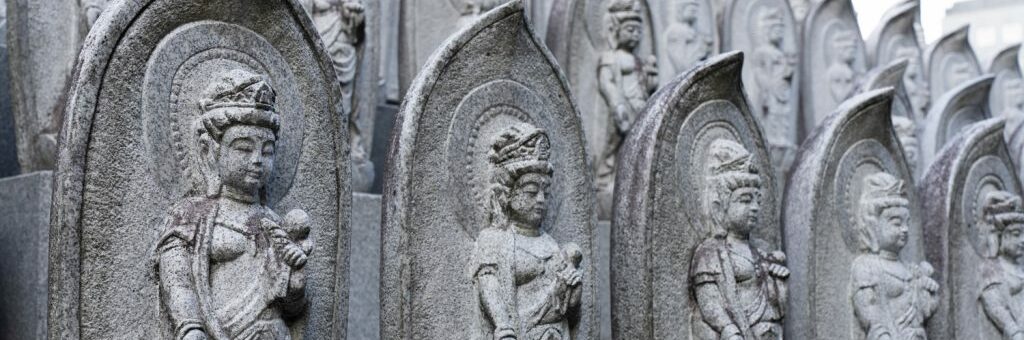
A Simple Guide to How Stone Buddhas Changed Through the Ages
How have Japan’s sekibutsu evolved over time?
The stone Buddhas we casually encounter along roadsides or at temples today have actually been passed down across many centuries, gradually changing in form, meaning, and role within society.
Here, we introduce the history of sekibutsu in Japan — from the arrival of Buddhism to the present day.
“The History of Sekibutsu” の続きを読む
Have you ever heard the word sekibutsu?
They are the stone Buddhas and deities you may casually encounter at shrines, temple grounds, or along roadsides.
Although we often pass by them without much thought, these figures have long been deeply connected to everyday life and spiritual belief in Japan.
This article offers a simple introduction to the world of sekibutsu.
“What Are Sekibutsu?Prayers Carved in Stone” の続きを読む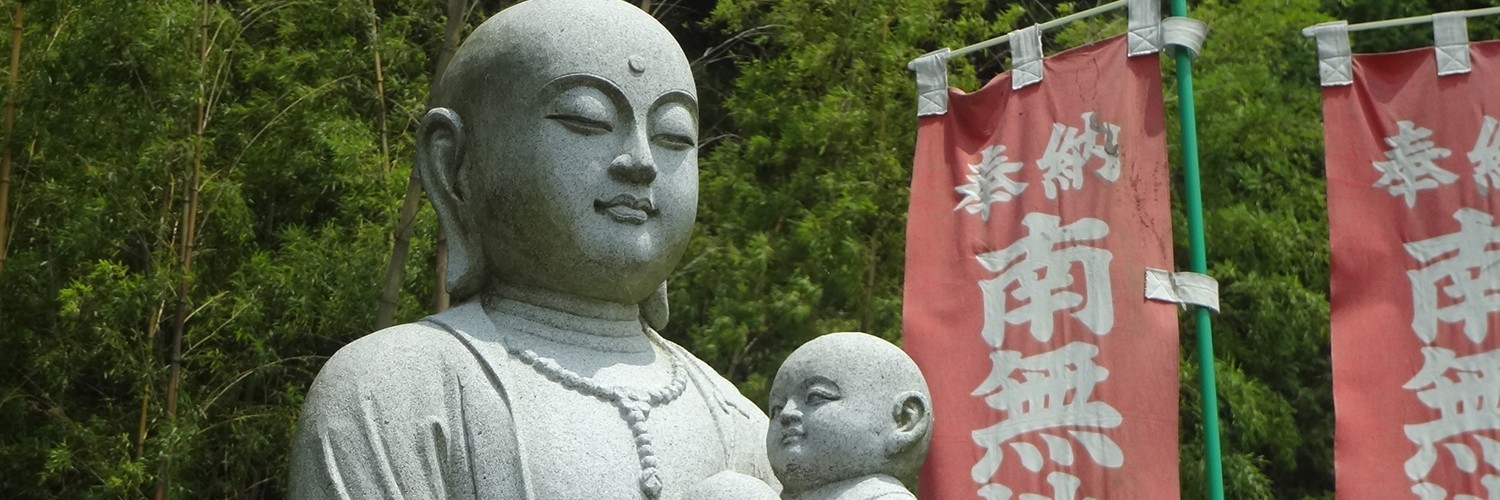
Jizo are often seen along roadsides and within temple grounds.
Many of them seem to wear a gentle, compassionate expression.
In particular, children and Jizo are believed to share a deep connection, and these statues have long been carefully enshrined within local communities.
This article offers a simple overview of the background behind that relationship.
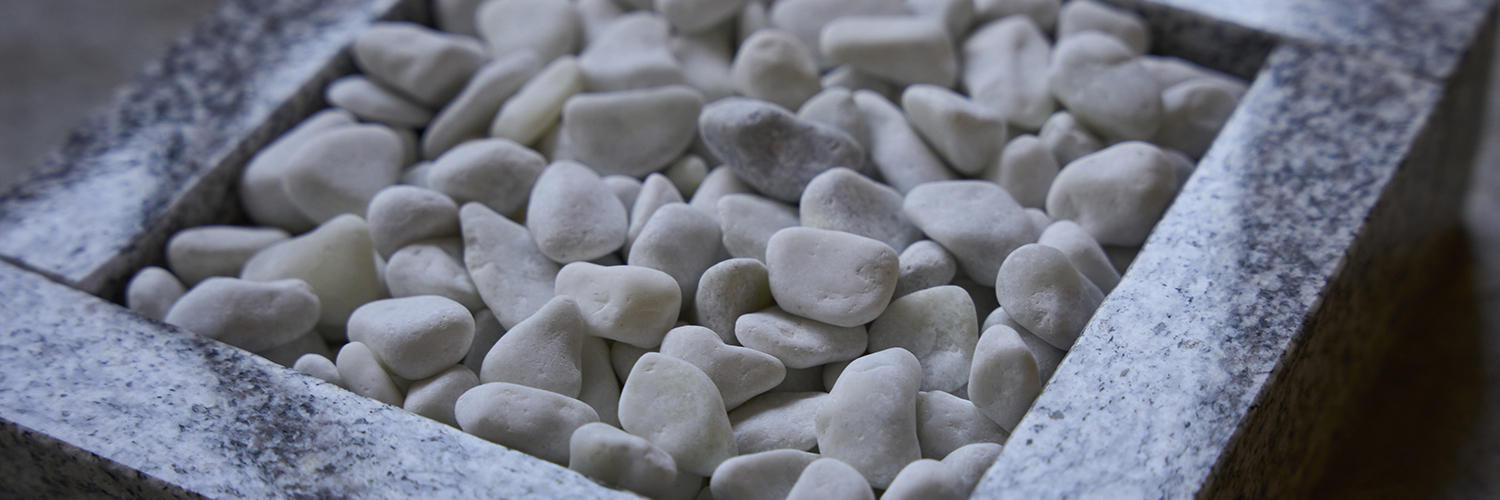
In Japanese tradition, the northeast direction (Ushitora, or Ox and Tiger) is considered unlucky. It’s believed that demons, or evil spirits, enter and exit from this direction, making it an inauspicious one. The opposite direction, southwest (Hitsujisaru, or Sheep and Monkey), is also considered problematic and is called the ura-kimon. While often thought of as simply bringing bad luck, the northeast direction is actually believed to be a powerful force for change—for better or worse. Addressing this direction properly is said to bring unexpected positive results.
“Prayers for Peace: A Cornerstone Against Evil” の続きを読む
鬼門とは北東(丑寅)の方位のことです。日本の家相では、「鬼(邪気)が出入りする方角」として忌むべき方角とされています。また、反対の南西(未申)の方角を裏鬼門と言い、同じく忌み嫌われています。鬼門は単に凶を招く方角と思われがちですが、本来は非常にパワーがある方角と言われています。つまり、良くも悪くも、大きな変化を生む方位。鬼門をきちんと対処することで、思わぬ好転もあるようです。
“安寧を願う習わし、鬼門除け角石” の続きを読む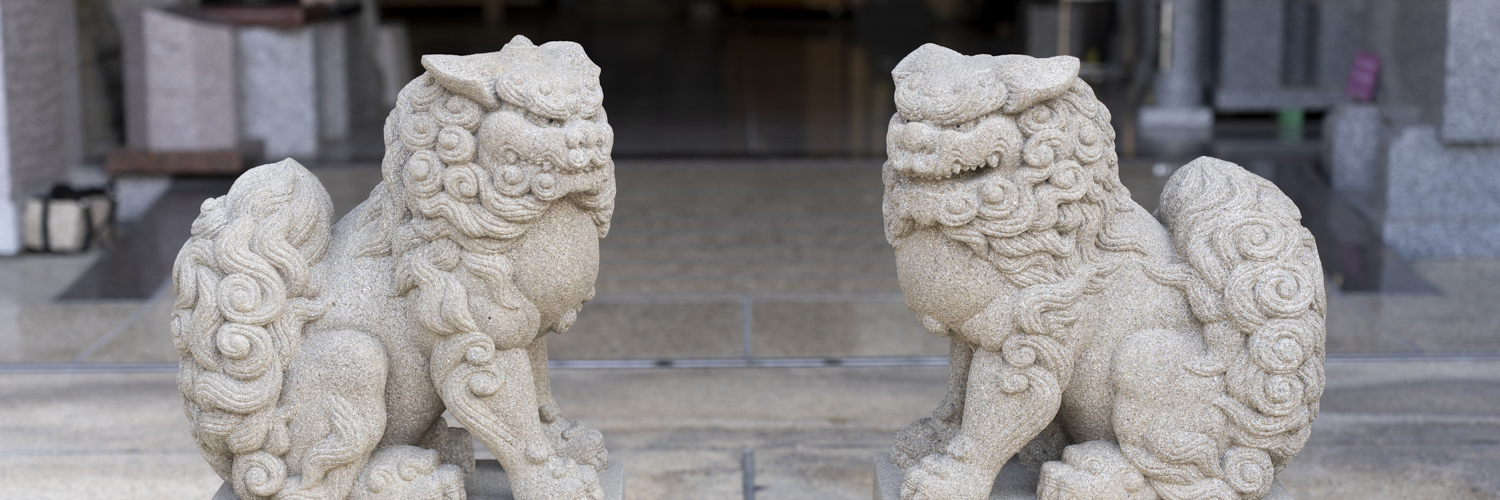
Komainu (狛犬), often referred to as lion-dogs in English, are paired statues of lion-like creatures traditionally placed at the entrances of shrines to serve as protectors. In today’s blog, we’ll explore the rich history and cultural significance of these majestic guardians.
“History of Komainu” の続きを読む
狛犬は英語で lion-dogs と呼ばれることが多く、伝統的に神社の入り口に置かれ、守護神として機能してきたライオンのような生き物の一対の像です。
今回のブログでは、これらの荘厳な守護神の豊かな歴史と文化的意義を探ります。
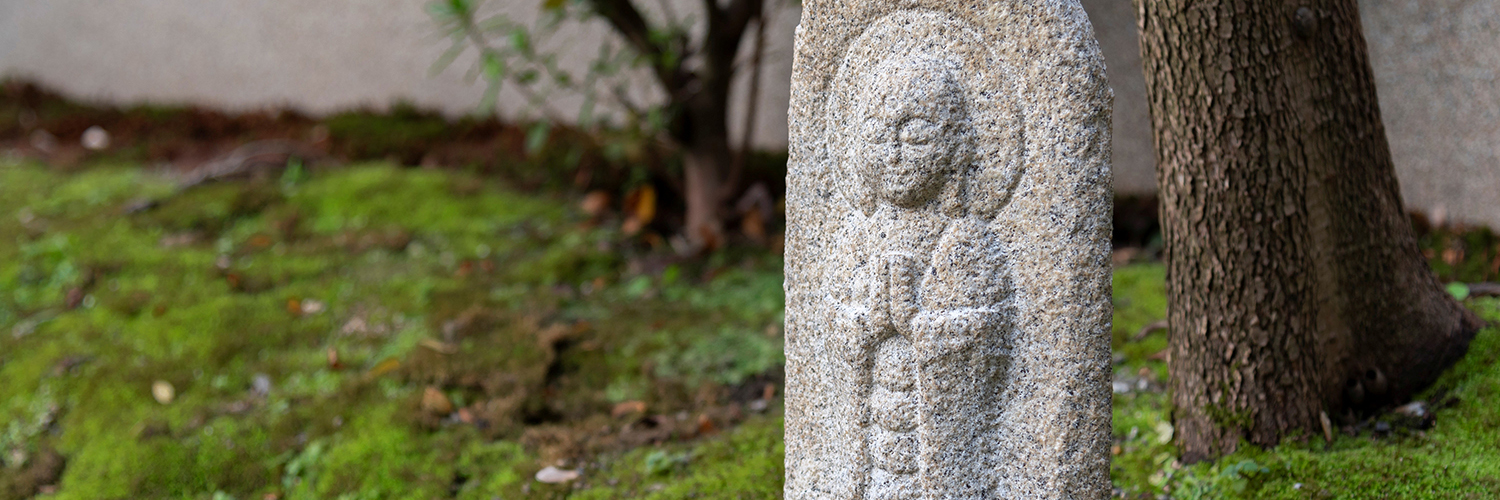
In today’s blog, we’re diving deep into one of Japan’s most beloved and culturally significant figures: the Jizo statue. These humble, yet powerful figures have been a part of Japanese spiritual life for centuries, representing a unique blend of religious symbolism, cultural heritage, and even personal devotion. Let’s explore the layers of meaning and significance behind Jizo statues, and uncover some fascinating details that may surprise you.
“The Cultural and Religious Significance of Jizo Statues” の続きを読む
今回のブログでは、日本で最も愛され、文化的に重要である地蔵像について詳しく掘り下げます。
謙虚でありながら力強いこの像は、何世紀にもわたって日本の精神生活の一部であり、宗教的象徴、文化的遺産、さらには個人的な信仰を表しています。
地蔵像の背後にある意味と意義を探り、その魅力に迫ってみましょう。