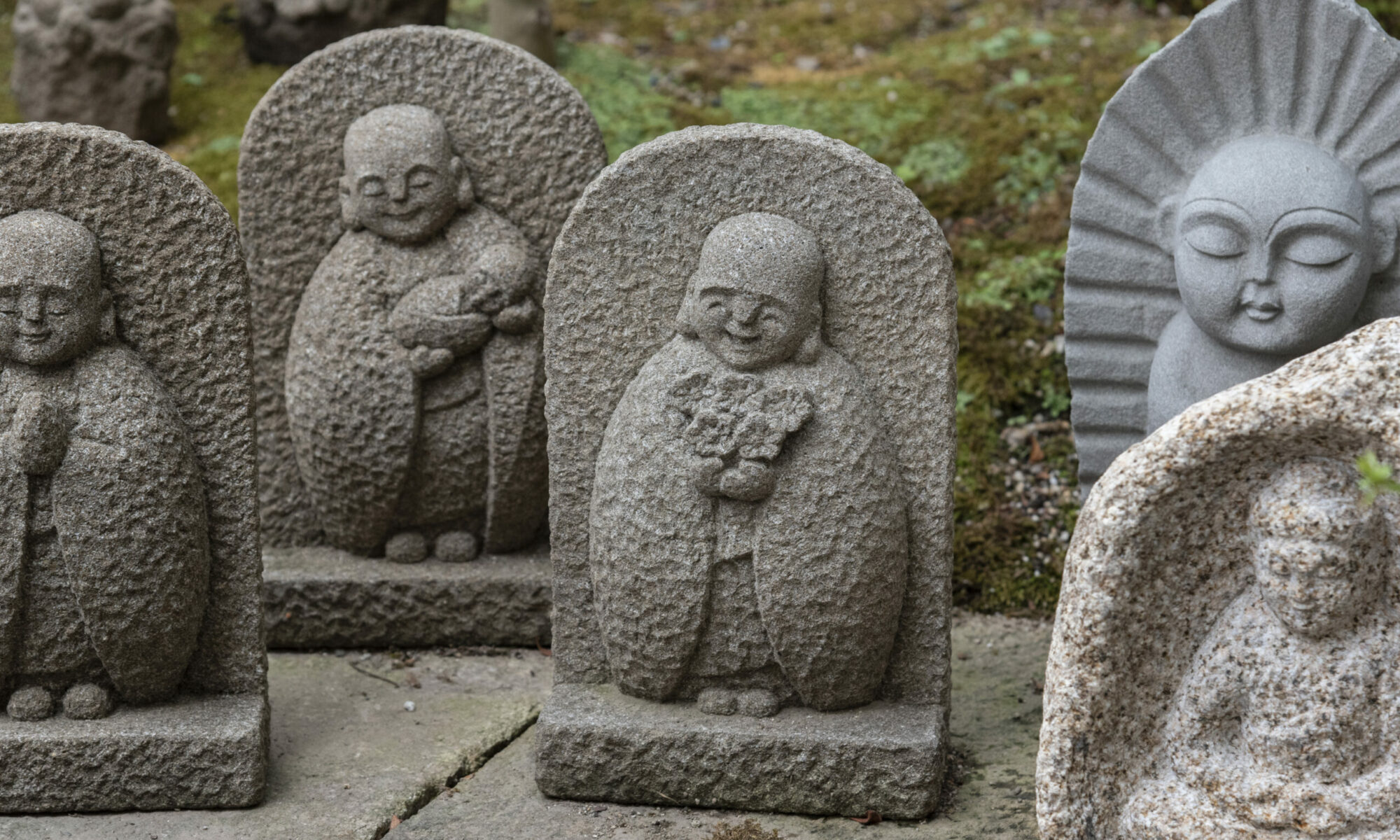
「石造品って外に置いても大丈夫ですか?」
お客様からよくいただくご質問のひとつです。
結論から言うと、自然石は屋内・屋外どちらでもお使いいただけます。
石はもともと自然の中で長い年月をかけて育まれた素材です。
雨や風、紫外線にさらされても簡単に傷むものではなく、庭石や外壁、石畳など、昔から屋外で使われてきました。
とはいえ、屋外でもより長く美しい状態で楽しんでいただくためには、少しだけ選び方やお手入れのポイントがあります。
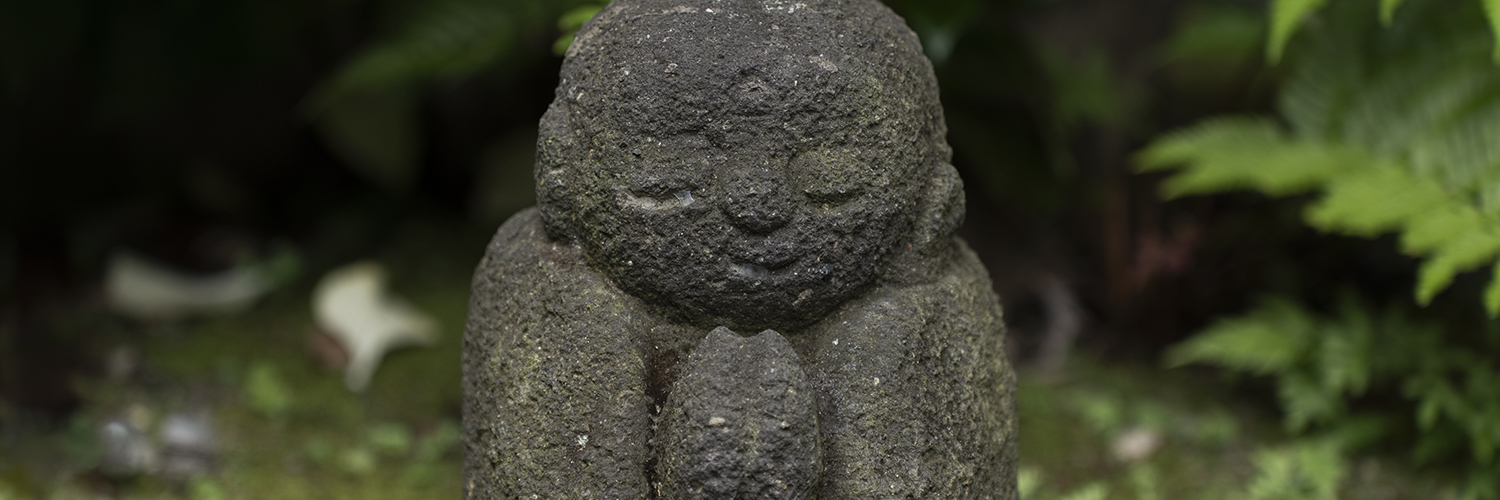
「石造品って外に置いても大丈夫ですか?」
お客様からよくいただくご質問のひとつです。
結論から言うと、自然石は屋内・屋外どちらでもお使いいただけます。
石はもともと自然の中で長い年月をかけて育まれた素材です。
雨や風、紫外線にさらされても簡単に傷むものではなく、庭石や外壁、石畳など、昔から屋外で使われてきました。
とはいえ、屋外でもより長く美しい状態で楽しんでいただくためには、少しだけ選び方やお手入れのポイントがあります。
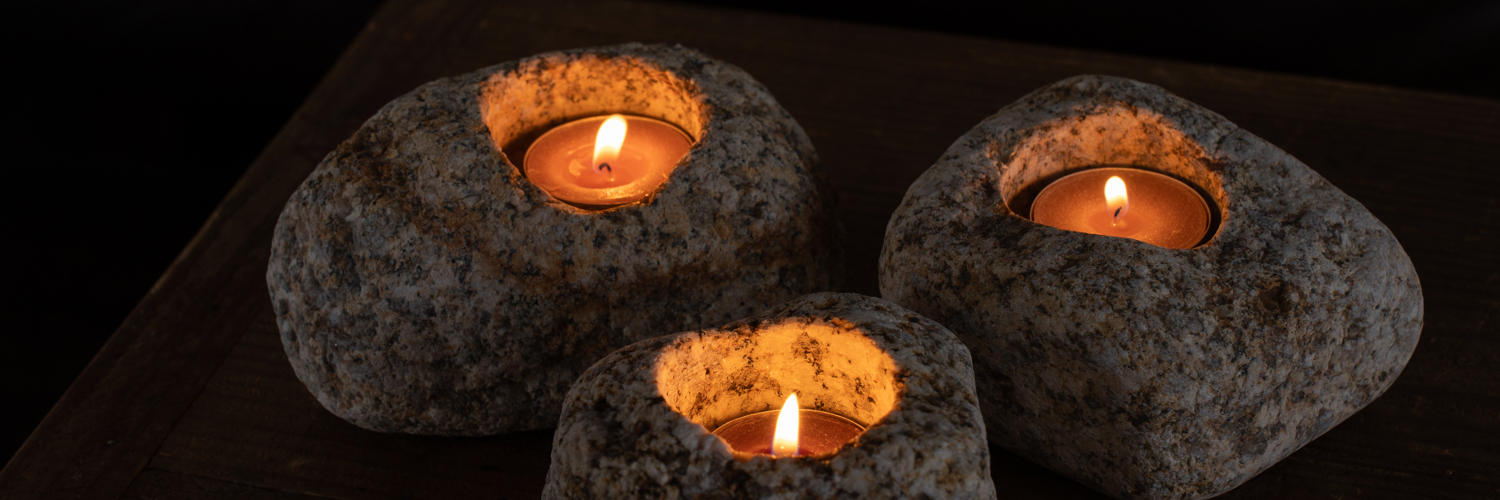
In our busy daily lives, moments of respite are incredibly important.
Why not incorporate stones into your routine, enjoying your favorite scents and gentle light?
Stones possess a rich character cultivated by nature over long periods, bringing tranquility and warmth to any space.
This time, we’ll introduce stone products perfect for relaxation.
“Stones for relaxation” の続きを読む
慌ただしい毎日の中で、ほっと一息つける時間はとても大切です。
お気に入りの香りややさしい灯りを楽しむ時間に、石を取り入れてみませんか。
石には自然が長い年月をかけて育んだ豊かな表情があり、空間にやすらぎと温もりを与えてくれます。
今回は、リラックスタイムにおすすめの石製品をご紹介いたします。
“リラックスのための石” の続きを読む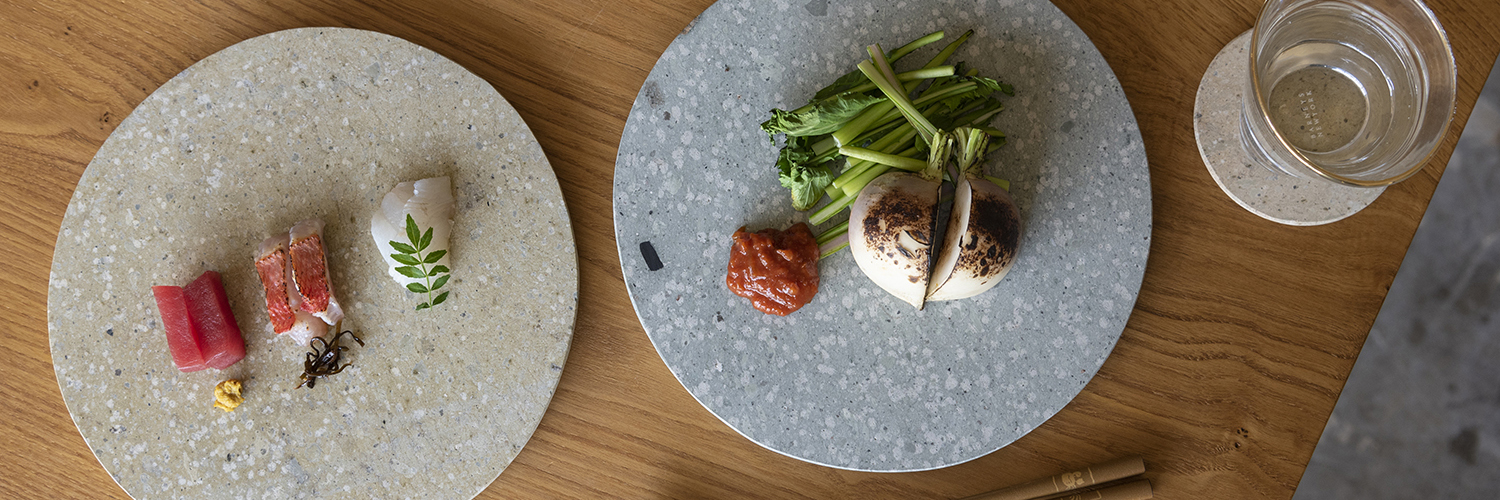
The dishes used to serve food are crucial in enhancing the appeal of the ingredients.
Stone, with its unique characteristics distinct from ceramic or wooden tableware, uses the patterns and textures created by nature to make dishes even more impressive.
In recent years, more and more restaurants and cafes are incorporating stone items, and they are becoming popular not only for everyday meals but also for entertaining guests.
This time, we will introduce stone products that will add color to your dining table.
“Stone products as materials that enhance the presentation of food” の続きを読む
料理を盛り付ける器は、食材の魅力を引き立てる大切な存在です。
陶器や木製の器とはまた違った表情を持つ「石」は、自然が生み出した模様や質感によって、料理をより印象的に演出してくれます。
近年では、レストランやカフェでも石のアイテムを取り入れるお店が増え、普段の食卓はもちろん、おもてなしの席でも活躍するアイテムとして親しまれています。
今回は、食卓を彩る石製品をご紹介します。
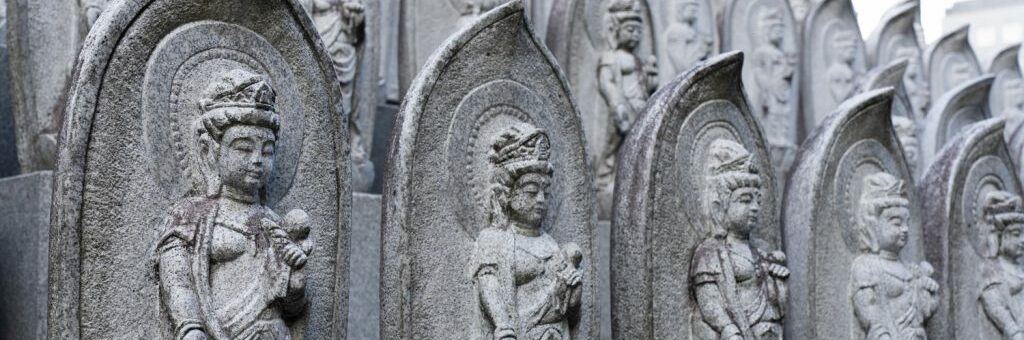
A Simple Guide to How Stone Buddhas Changed Through the Ages
How have Japan’s sekibutsu evolved over time?
The stone Buddhas we casually encounter along roadsides or at temples today have actually been passed down across many centuries, gradually changing in form, meaning, and role within society.
Here, we introduce the history of sekibutsu in Japan — from the arrival of Buddhism to the present day.
“The History of Sekibutsu” の続きを読む
Have you ever heard the word sekibutsu?
They are the stone Buddhas and deities you may casually encounter at shrines, temple grounds, or along roadsides.
Although we often pass by them without much thought, these figures have long been deeply connected to everyday life and spiritual belief in Japan.
This article offers a simple introduction to the world of sekibutsu.
“What Are Sekibutsu?Prayers Carved in Stone” の続きを読む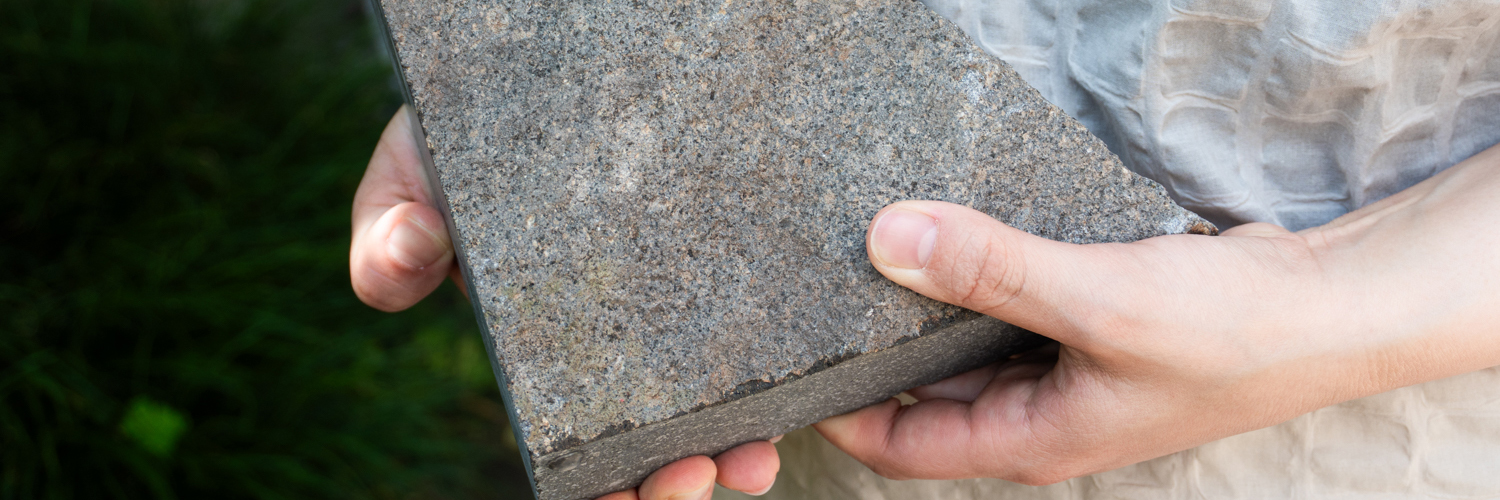
Even if you’re interested in stones, the first things you might wonder about are their weight and whether you can install them.
Especially those considering Jizo statues, lanterns, or other interior decorations for the first time often ask, “Can I lift it alone?” and “Is installation difficult?”
To put it simply, small stone products like Jizo statues and bookends can be handled by a woman alone. And, if you know the key points, installation isn’t difficult at all.
This time, we’ll explain stone weight and installation.
“Can You Place It by Yourself? Stone Weight and Installation” の続きを読む
石に興味があっても、最初に気になるのが「重さ」と「設置できるのか」という点かもしれません。
特に、初めてお地蔵さんや灯篭、インテリアなどを検討される方からは、「一人で持てますか?」「設置は大変ですか?」というお声をいただきます。
結論から言うと、お地蔵さんやブックエンドといった小さな石製品であれば、女性一人でも扱えます。そして、ポイントさえ押さえれば設置も決して難しいものではありません。
今回は石の重さと設置についてご説明いたします。
“一人で置ける?石の重さと設置” の続きを読む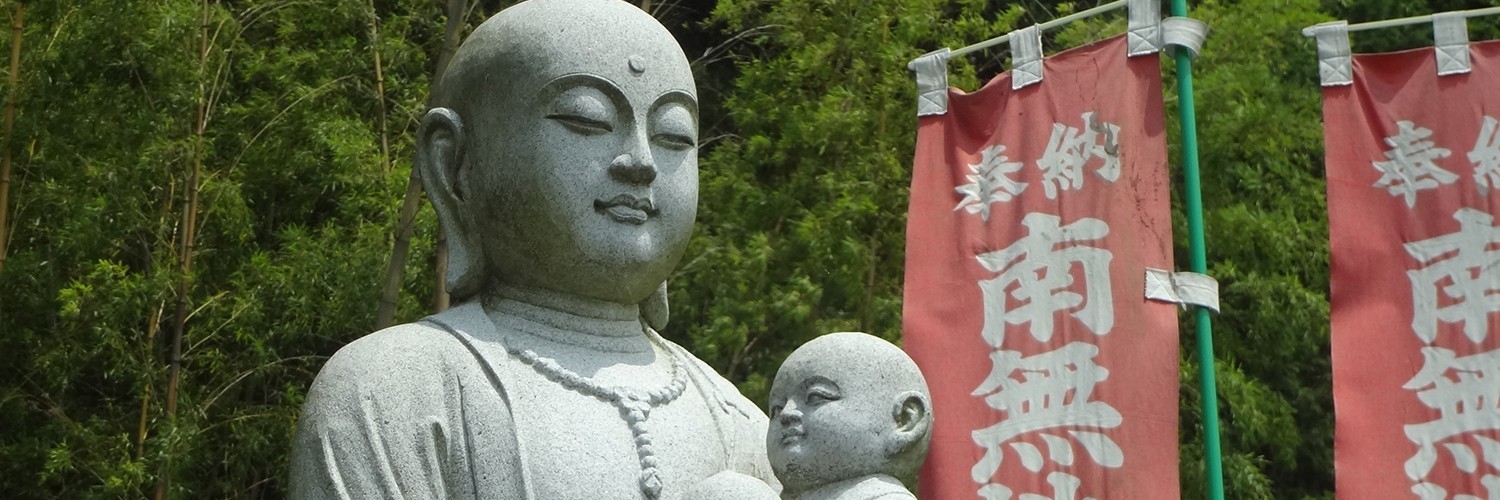
Jizo are often seen along roadsides and within temple grounds.
Many of them seem to wear a gentle, compassionate expression.
In particular, children and Jizo are believed to share a deep connection, and these statues have long been carefully enshrined within local communities.
This article offers a simple overview of the background behind that relationship.