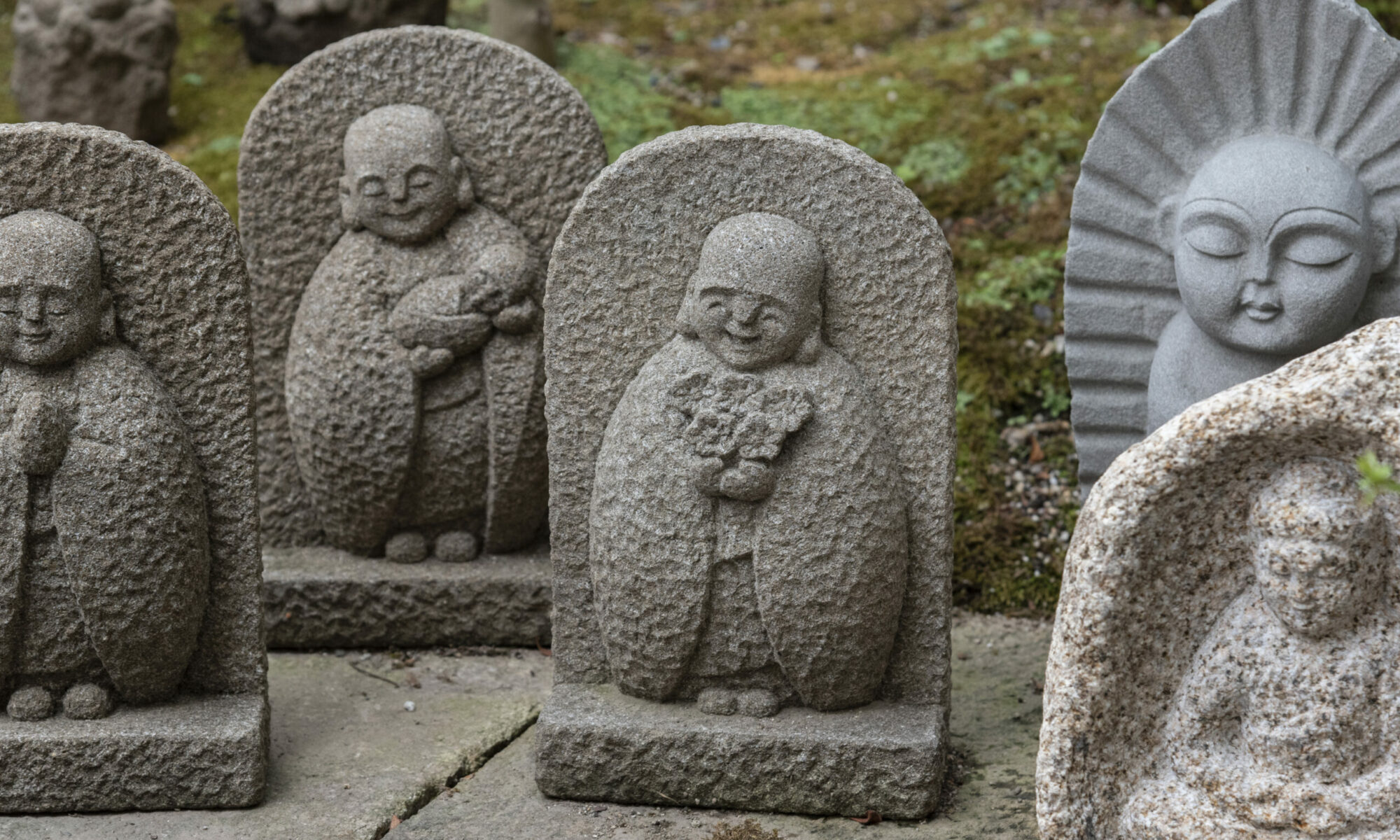
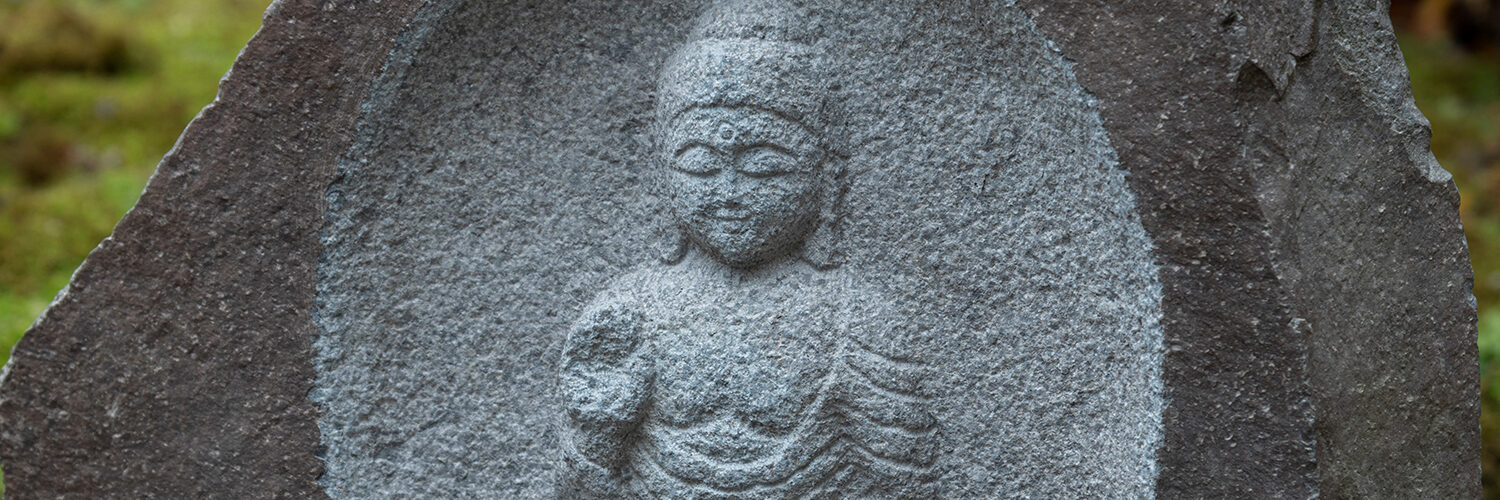
You may come across sekibutsu along roadsides, at shrines, or in temple grounds.
Even if you occasionally place your hands together in prayer, have you ever wondered, “What should I actually look at?”
Of course, it is perfectly fine to simply admire them as they are.
But by knowing a few basic points, the way you see sekibutsu can become much richer.
Here is a simple guide to appreciating sekibutsu for beginners.
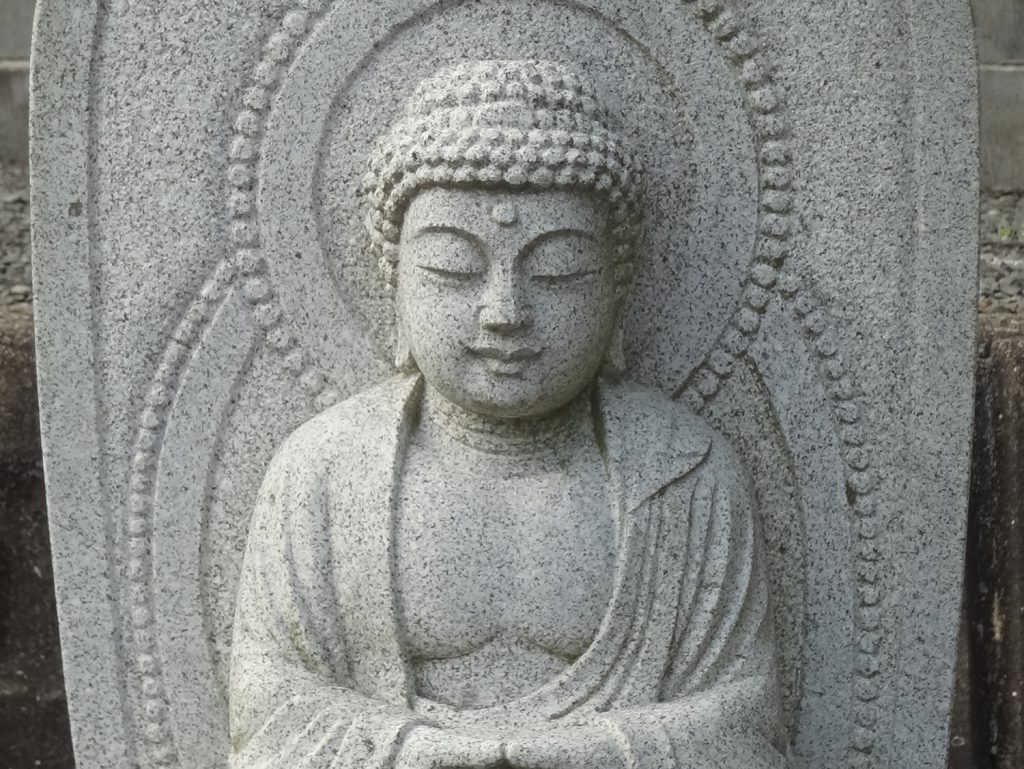
First, Look at Which Buddha or Deity Is Depicted
One of the first things to notice is what kind of Buddhist figure is represented.
Common examples include:
- Jizo Bosatsu(地蔵菩薩,お地蔵さん)
- Kannon Bosatsu(観音菩薩)
- Shaka Nyorai(釈迦如来)
- Dainichi Nyorai(大日如来)
Each figure carries its own meaning and role, such as protecting children, saving people from suffering, or guiding souls to the Pure Land.
Clues for identifying them include: - the objects they hold (such as a staff, jewel, or sword)
- their facial expressions and appearance
- hand gestures and poses
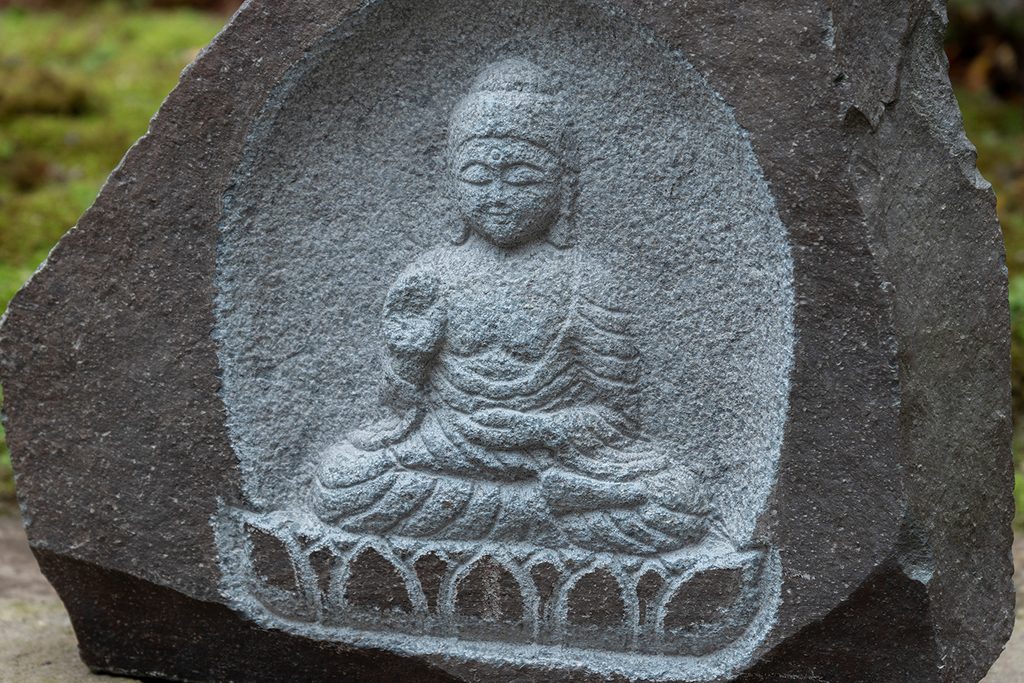
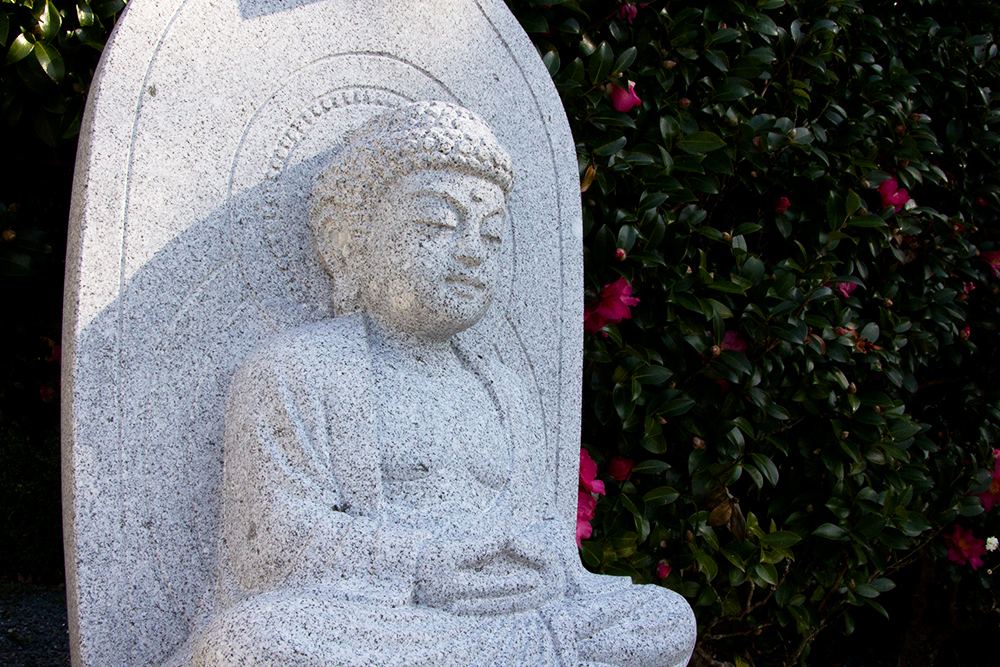
Pay Attention to the Hand Gestures (印相Inzō)
The hand shapes of Buddhist figures carry specific meanings.
These gestures are known as inzō.
Because many Nyorai statues appear visually similar, hand gestures are often an important clue for identification.
However, it is important to remember that there is not always one fixed gesture assigned to each Buddha.
Some well-known examples include:
- Semui-in(施無畏印) raising the right hand forward near the shoulder as a gesture of reassurance and fearlessness
- Yogan-in(与願印) lowering the left hand forward as a gesture of granting wishes
- Jō-in(定印) forming a circle with both hands in a meditative pose
These gestures are commonly seen in figures such as Shaka Nyorai and Yakushi Nyorai, and are counted among the “Five Mudras of Shaka.”
Other Buddhas have their own characteristic gestures as well.
For example, Amida Nyorai is associated with the Raigō-in, while Dainichi Nyorai forms esoteric Buddhist mudras such as the Hokkai Jō-in and Chiken-in.
Look at What the Figure Is Holding
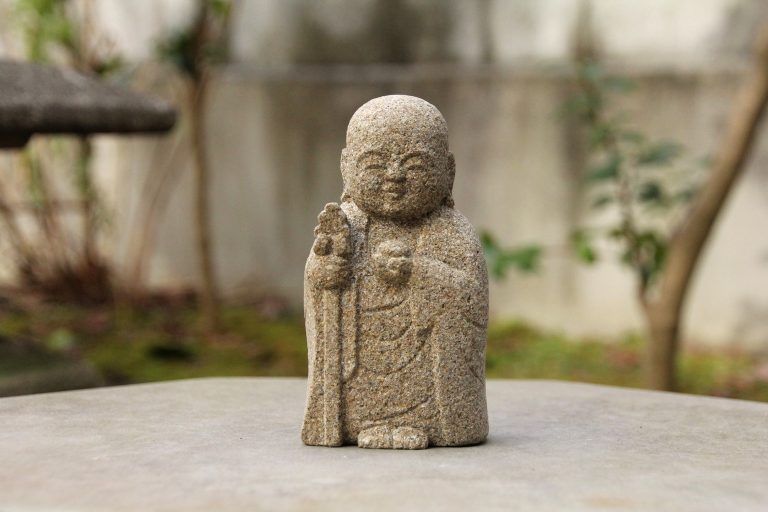
The objects held by sekibutsu also offer important clues.
Some representative examples include:
・a monk’s staff (錫杖shakujō) or wish-fulfilling jewel(宝珠houju)→ Jizo Bosatsu
・a medicine jar(yakko薬壺) → Yakushi Nyorai
・a sword or rop → Fudō Myōō
These objects express the character and role of the figure.
At the same time, it is important to remember that these features are not always fixed.
Details may vary depending on the region or historical period.
Observe the Pedestal or Mount
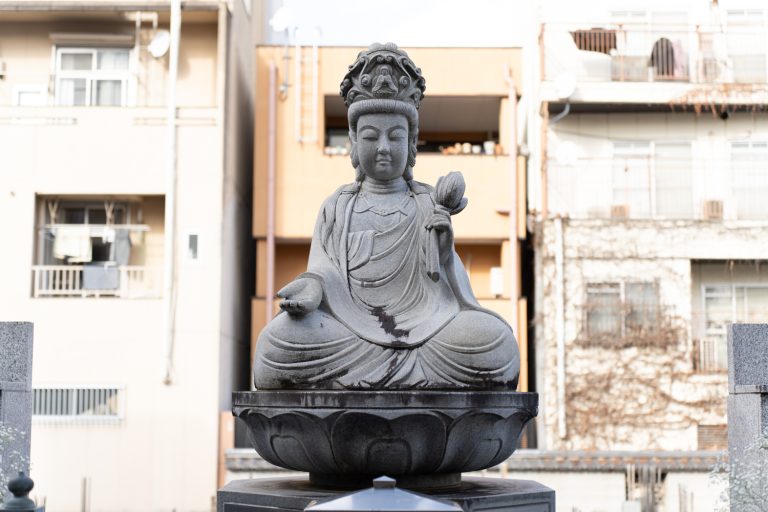
The platform or object on which the figure stands or sits can also hold meaning.
One common example is the renge-dai (lotus pedestal).
The lotus, which blooms beautifully from muddy water, symbolizes enlightenment in Buddhism.
Other examples include figures:
・seated upon rocks
・riding animals
Each carries its own symbolic meaning.
Read the Inscriptions (碑文Hibun)
Some sekibutsu have carved inscriptions known as hibun.
These inscriptions may reveal:
・when the statue was created
・who commissioned it
・why it was built
Because records of ordinary people’s lives were often not preserved, these carved words are valuable historical materials.
Consider Where the Sekibutsu Is Placed
The location of a sekibutsu can also tell us a great deal.
For example:
・along roadsides or crossroads→ protection from misfortune and safety for travelers
・at temples or cemeteries → prayers for memorial rites and peaceful passage into the afterlife
・near mountains or water → connections to nature worship
Thinking about why a sekibutsu was placed in a particular location can reveal much about the beliefs and daily lives of the people who once lived there.
Conclusion
When looking at sekibutsu, simply paying attention to a few points can greatly deepen your experience:
・what kind of Buddha or deity it is
・the hand gestures (inzō)
・the objects it holds
・the pedestal and surrounding location
・the carved inscriptions
Sekibutsu are not merely stone sculptures.
They are expressions of people’s wishes, prayers, and beliefs.
Because there are so many variations, identifying them perfectly can often be difficult, and this article is only intended as a gentle introduction and reference.
We hope it helps you enjoy looking at sekibutsu a little more deeply.
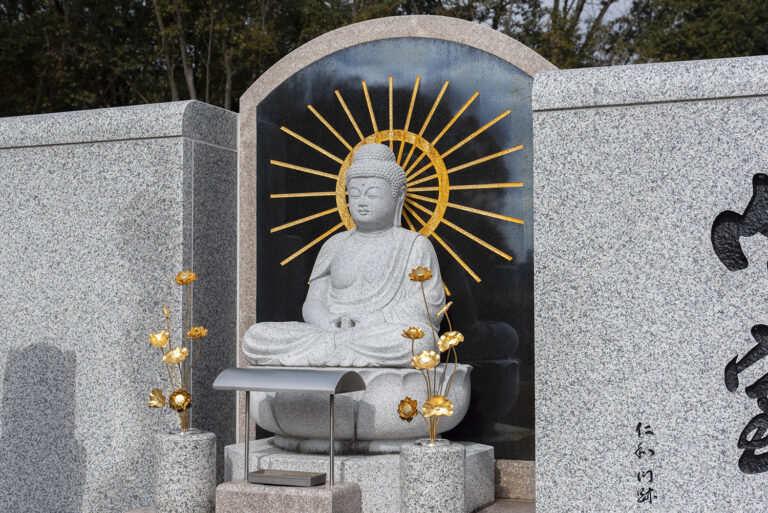
Our online shop offers even more products.
I highly recommend incorporating small stone objects into your daily life.