
An Introduction to Living with Stone

When people hear the phrase “living with stone,” many may imagine traditional Japanese rooms or gardens.But these days, more and more people are enjoying stone in a way that feels casual, modern, and naturally connected to everyday life.

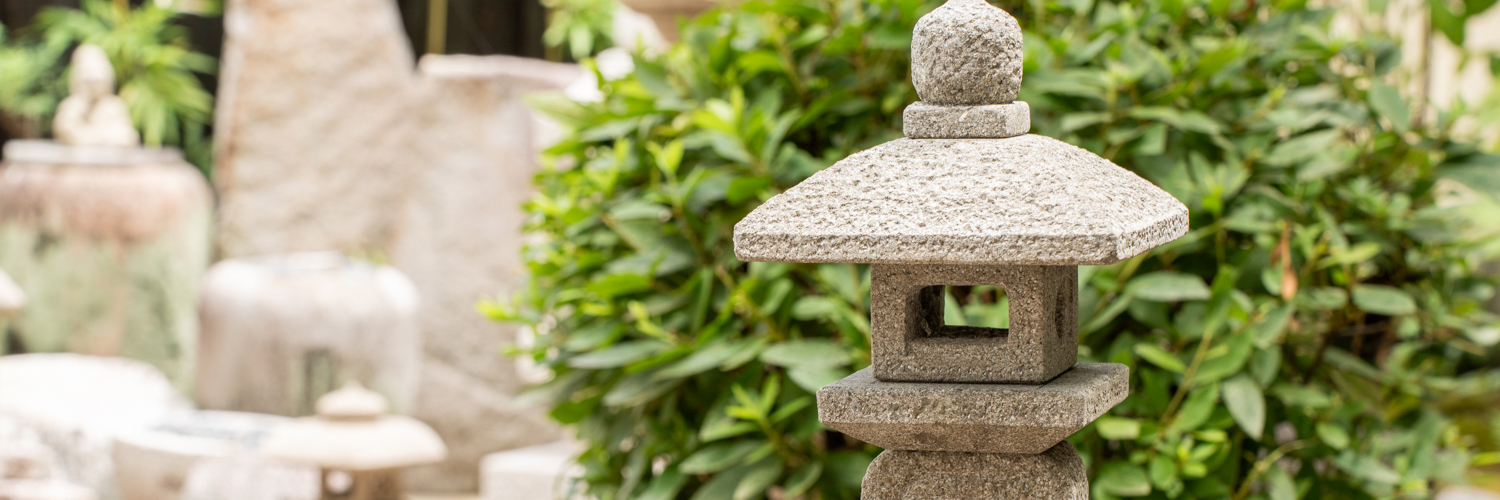
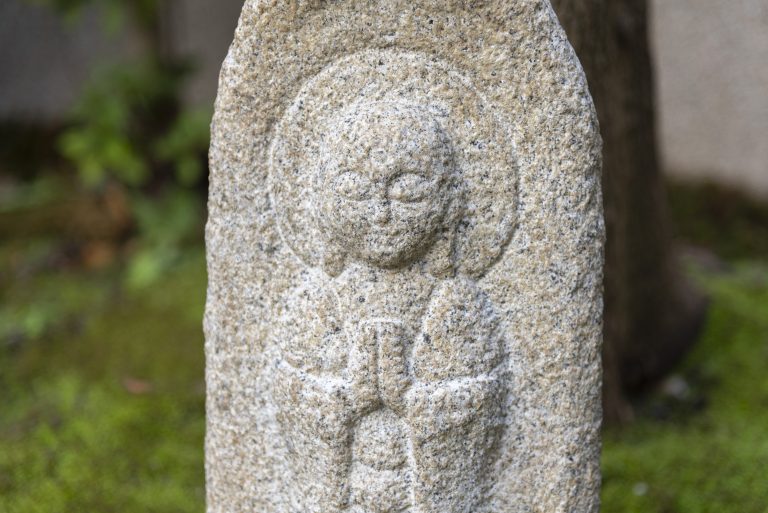
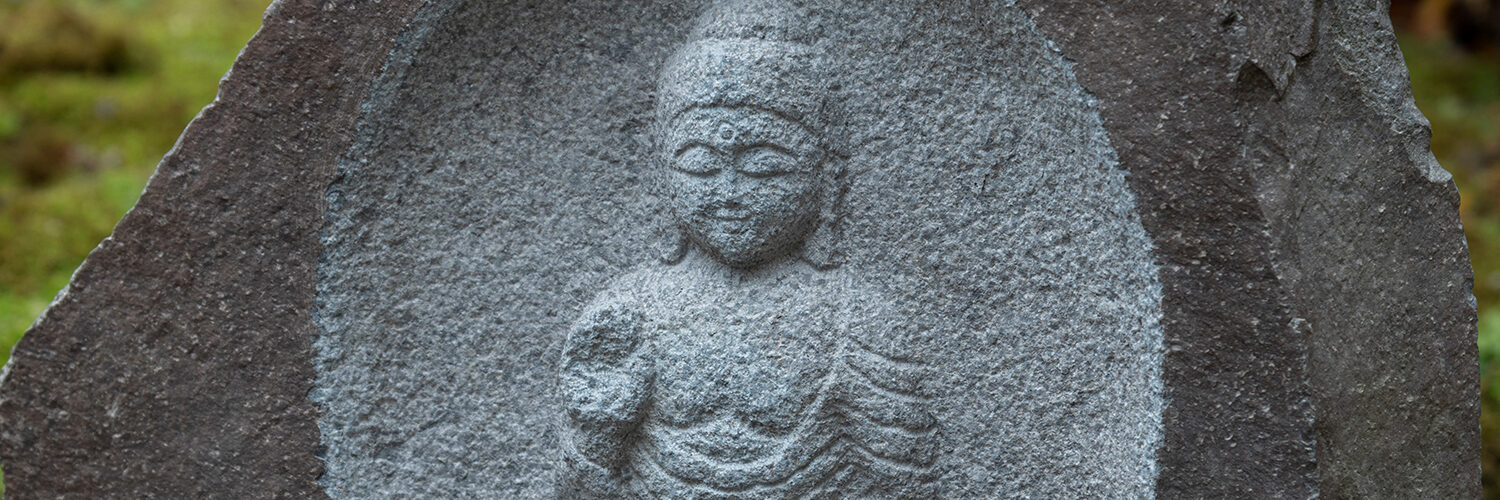
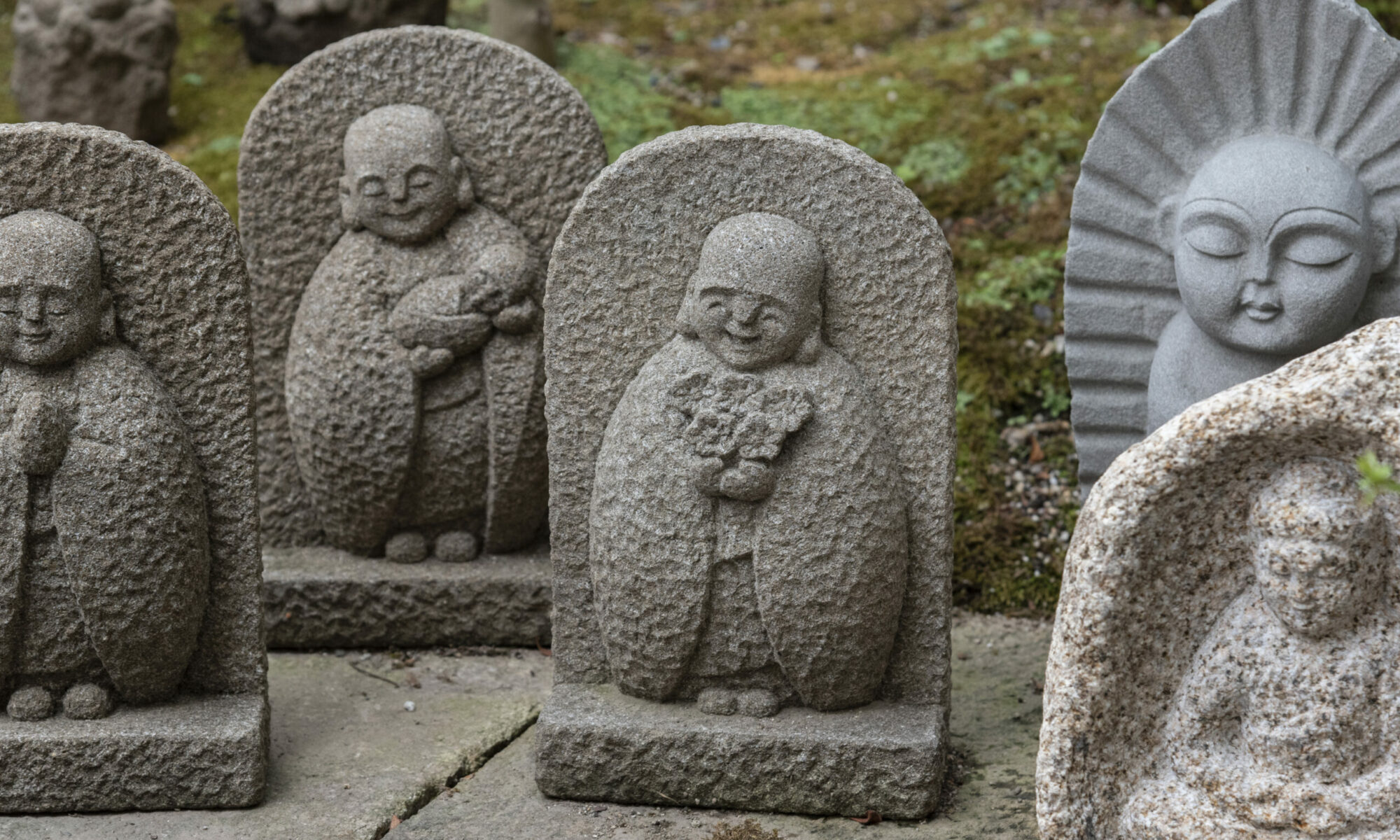
For example, placing a small Jizo statue in the living room, or decorating the entrance with a miniature stone lantern.
The calm texture unique to natural stone brings a sense of tranquility and refinement to any space.

In this article, we’ll introduce the charm of stone and simple ways to enjoy it for those who are interested in beginning a lifestyle that incorporates stone into daily living.

“An Introduction to Living with Stone” の続きを読む

はじめての「石にふれる暮らし」入門

「石にふれる暮らし」と聞くと、和室や庭園を思い浮かべる方も多いかもしれません。でも最近では、もっと気軽に、もっと暮らしに寄り添う形で“石を楽しむ”人が増えています。

たとえば、リビングに小さなお地蔵さんを置いたり、玄関にミニ灯篭を飾ったり。自然石ならではの落ち着いた質感は、空間に静けさと上質な雰囲気を与えてくれます。

今回は、これから「石にふれる暮らし」を始めたい方へ向けて、石の魅力や楽しみ方をご紹介します。

“はじめての「石にふれる暮らし」入門” の続きを読む

Prayers for Peace: A Cornerstone Against Evil

In Japanese tradition, the northeast direction (Ushitora, or Ox and Tiger) is considered unlucky. It’s believed that demons, or evil spirits, enter and exit from this direction, making it an inauspicious one. The opposite direction, southwest (Hitsujisaru, or Sheep and Monkey), is also considered problematic and is called the ura-kimon. While often thought of as simply bringing bad luck, the northeast direction is actually believed to be a powerful force for change—for better or worse. Addressing this direction properly is said to bring unexpected positive results.

“Prayers for Peace: A Cornerstone Against Evil” の続きを読む

安寧を願う習わし、鬼門除け角石

鬼門とは北東(丑寅)の方位のことです。日本の家相では、「鬼(邪気)が出入りする方角」として忌むべき方角とされています。また、反対の南西(未申)の方角を裏鬼門と言い、同じく忌み嫌われています。鬼門は単に凶を招く方角と思われがちですが、本来は非常にパワーがある方角と言われています。つまり、良くも悪くも、大きな変化を生む方位。鬼門をきちんと対処することで、思わぬ好転もあるようです。

“安寧を願う習わし、鬼門除け角石” の続きを読む

The Cultural and Religious Significance of Jizo Statues

In today’s blog, we’re diving deep into one of Japan’s most beloved and culturally significant figures: the Jizo statue. These humble, yet powerful figures have been a part of Japanese spiritual life for centuries, representing a unique blend of religious symbolism, cultural heritage, and even personal devotion. Let’s explore the layers of meaning and significance behind Jizo statues, and uncover some fascinating details that may surprise you.

“The Cultural and Religious Significance of Jizo Statues” の続きを読む

地蔵像の文化的、宗教的意義

今回のブログでは、日本で最も愛され、文化的に重要である地蔵像について詳しく掘り下げます。
謙虚でありながら力強いこの像は、何世紀にもわたって日本の精神生活の一部であり、宗教的象徴、文化的遺産、さらには個人的な信仰を表しています。
地蔵像の背後にある意味と意義を探り、その魅力に迫ってみましょう。

“地蔵像の文化的、宗教的意義” の続きを読む

The History and Evolution of Stone Lanterns

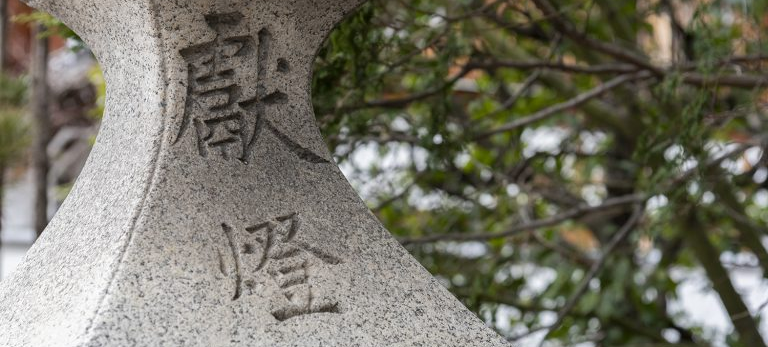
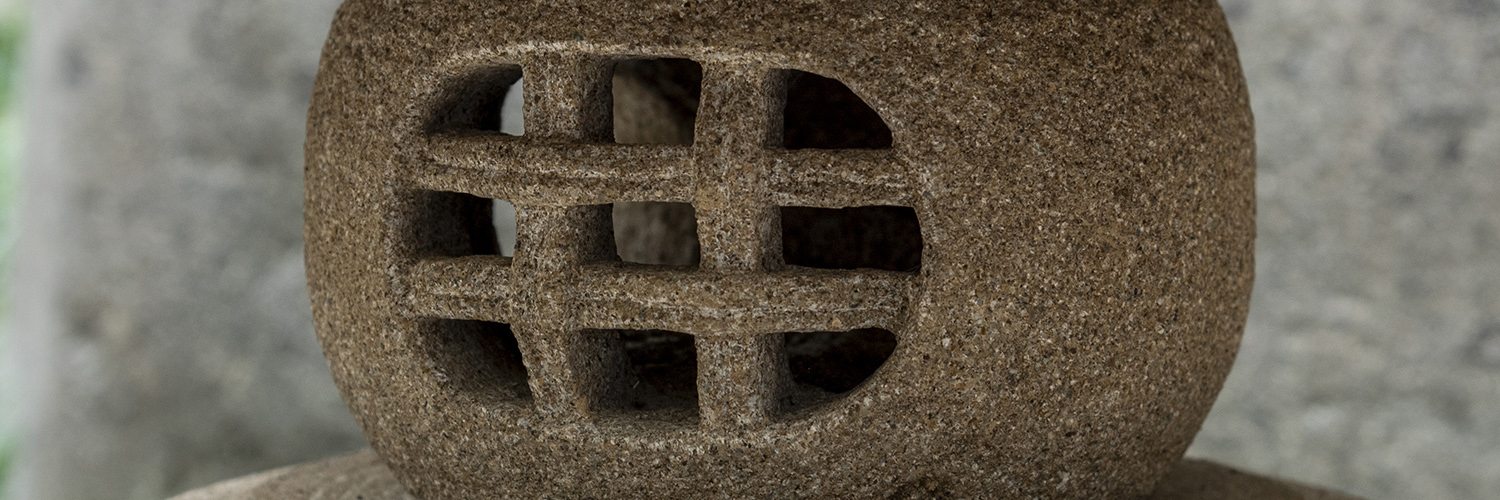
Stone lanterns are an essential feature in Japanese gardens and temples, and their beauty and elegance are loved by many people. In today`s blog, we will explore the origins of stone lanterns and their evolution throughout history, uncovering the story behind their everlasting appeal. By understanding the culture and history behind lanterns, we can deepen our appreciation for them.

“The History and Evolution of Stone Lanterns” の続きを読む

石灯篭の歴史

石灯篭は日本の庭園や寺社に欠かせない存在であり、その美しさと趣は多くの人々に愛されています。
今回は、灯篭の起源や歴史的な変遷について探り、その魅力の根底にある物語に迫ってみたいと思います。
灯篭の背後にある文化や歴史を知ることで、さらに深い楽しみ方ができるのではないでしょうか。

“石灯篭の歴史” の続きを読む