Japan boasts a rich culture of craftsmanship, passed down through generations. Among these, some items, made using traditional techniques, methods, and materials rooted in specific regions, are designated by the government as “Traditional Crafts.”
So, what exactly constitutes a “Traditional Craft”? This article will introduce the criteria and characteristics of “Traditional Crafts” designated by the Minister of Economy, Trade and Industry.
What are “Traditional Crafts Designated by the Minister of Economy, Trade and Industry”?
Traditional crafts refer to crafts made using materials produced in a particular region, employing traditional techniques and the skills of master craftsmen. Simply having been made for a long time does not automatically qualify something as a “traditional craft.” The Minister of Economy, Trade and Industry designates crafts that meet specific criteria.
Therefore, the term “traditional craft” embodies the techniques, materials, and the history and culture of the production area that have been passed down through generations.
Five Conditions for Recognition as a Traditional Craft
There are five conditions for a product to be certified as a traditional craft.
- A craft that enriches and enhances daily life
- Handcrafted by artisans
- Traditional techniques and methods that have been practiced for over 100 years
- Materials that have been traditionally used for over 100 years
- Produced in a specific region on a certain scale
What is a “Traditional Craft Seal”?
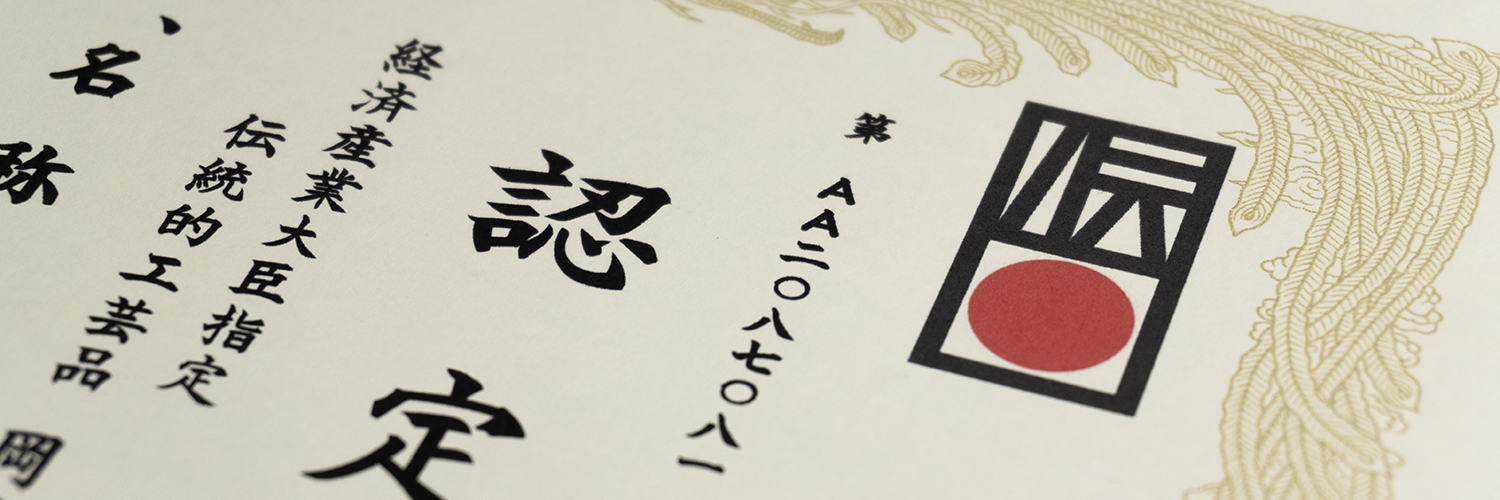
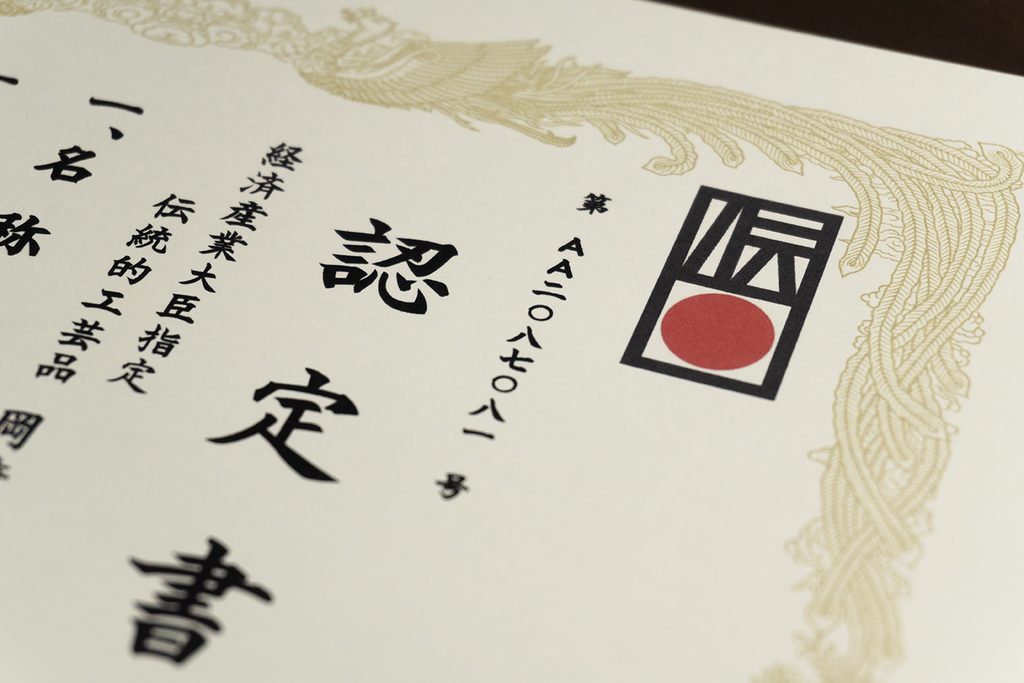
Products that are made according to the standards for techniques, methods, and raw materials designated by the Minister of Economy, Trade and Industry, and that pass the on-site inspection, can be affixed with a “Traditional Craft Seal.” The Traditional Craft Seal is one of the marks indicating that the product meets the standards set for traditional crafts. Because it is made while adhering to these conditions, the Traditional Craft Seal embodies not only the quality of the product, but also the tradition and history that the production area and artisans have preserved.
ISHIMO’s Traditional Crafts
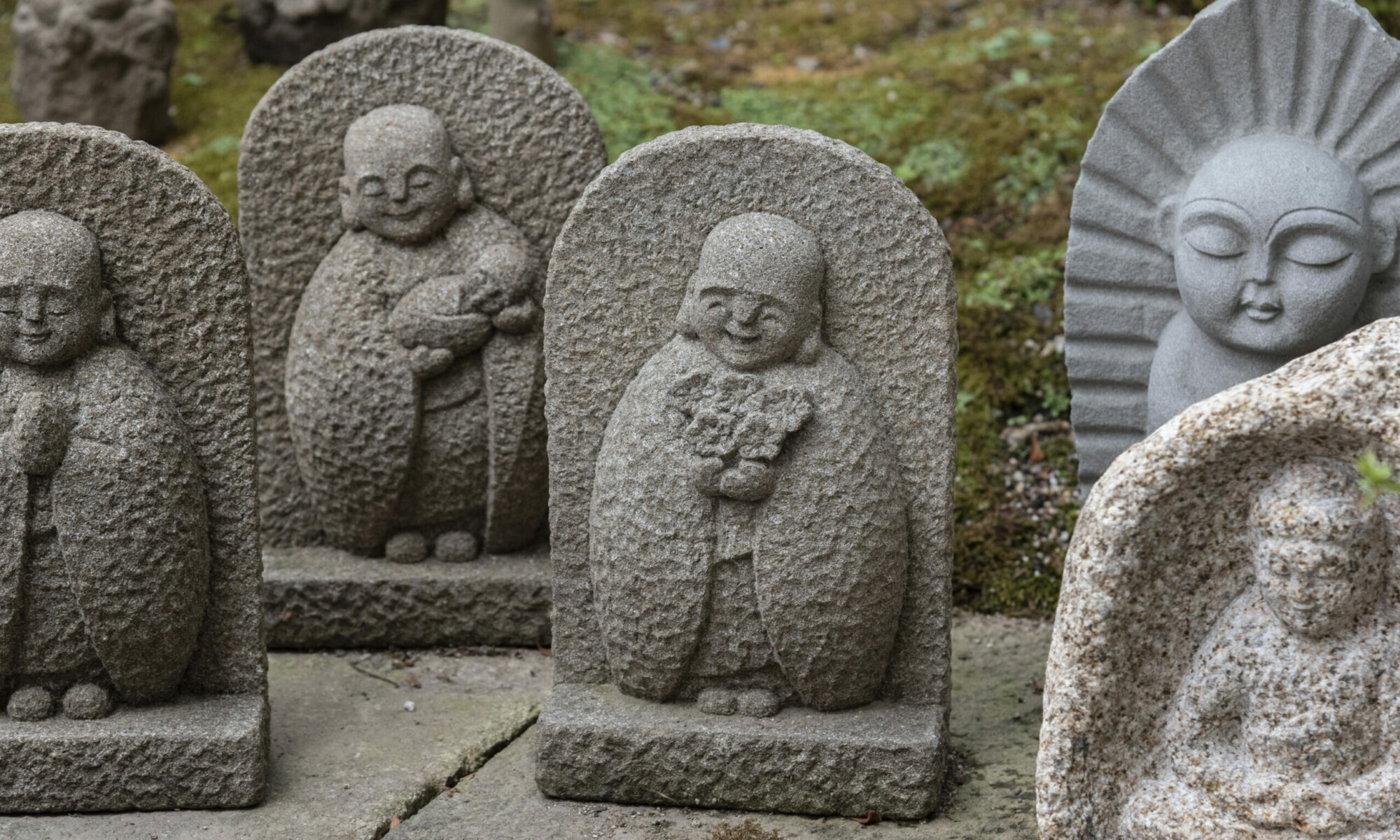
Our shop carries a wide variety of stone carvings designated as “Traditional Crafts” by the Minister of Economy, Trade and Industry.
The stone carving techniques have been passed down for generations in production areas throughout Japan. Each piece embodies the history of its place of origin and the dedication to craftsmanship that the artisans have carefully preserved.
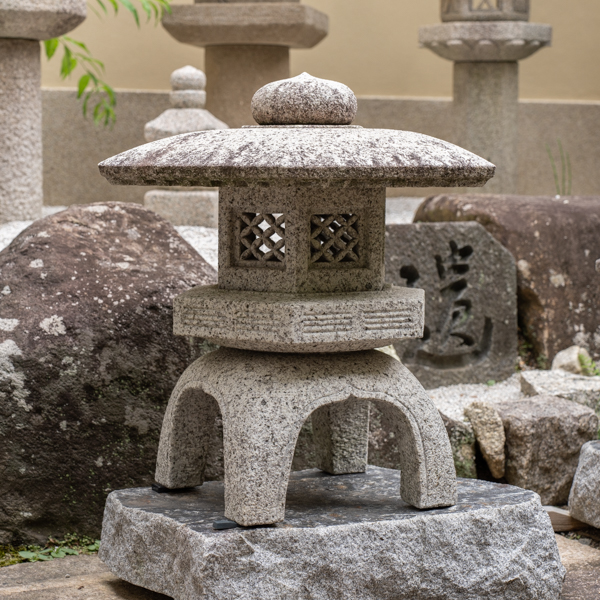
Ancient hexagonal Yukimi lantern made of Ena stone
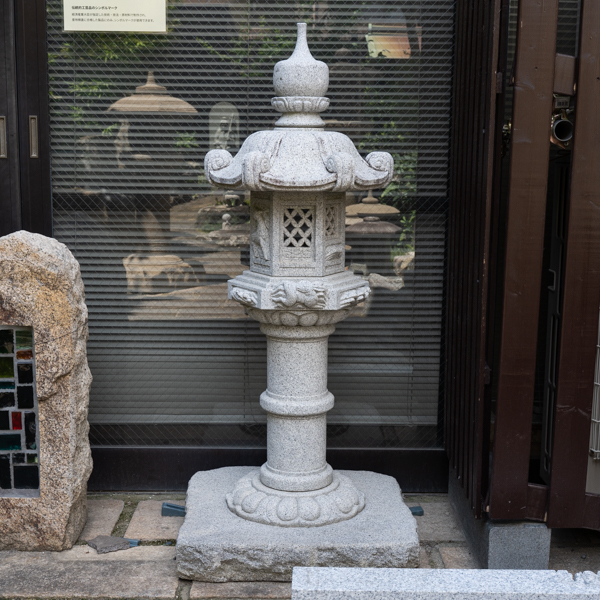
Kasuga-style stone lantern made of Natsuyama stone
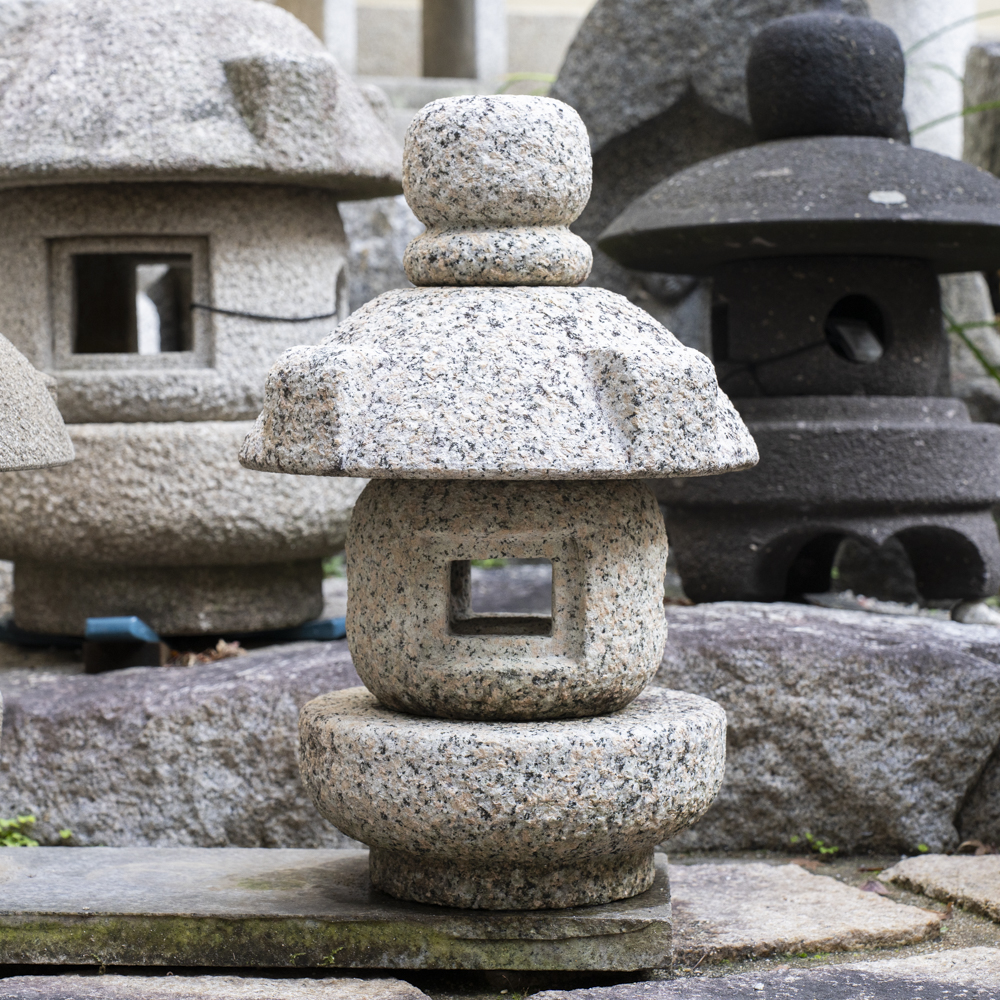
Cape-shaped stone lantern made of Mannari stone
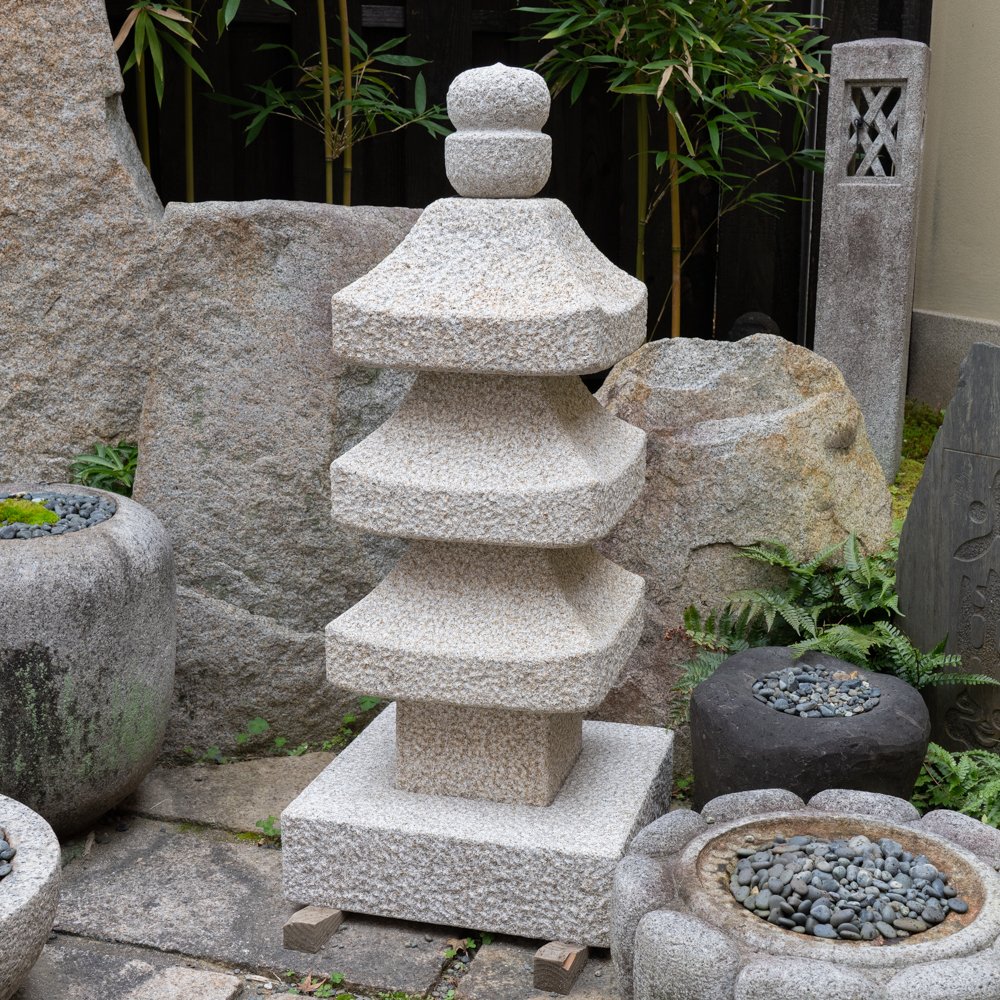
The three-story pagoda of Okazaki white stone
Inherited Techniques and the Future of Craftsmanship
Traditional crafts are more than just “things that have been around for a long time.” The materials, techniques, and craftsmanship nurtured in the region have been passed down through generations and continue to be preserved today.
In stonework, for example, there are techniques that involve discerning the characteristics of the material, shaping it through the craftsman’s hands, and creating items that will last for a long time. Even the stone objects we see every day without much thought may reveal a different kind of charm when we learn about the history and the skills of the craftsmen behind them.
Our online shop offers even more products.
Please try to find your favorite “traditional craft.”